
Our Projects
COGEF leads strategic projects to strengthen the competitiveness of Burkina Faso’s private sector and support professional development.
COGEF is committed to the rigorous and transparent management of high-impact projects, in partnership with national and international donors. Each project is led by a dedicated management unit, with measurable objectives and concrete results for Burkinabe businesses and workers.
PREFIP-JF – Project to Strengthen the Vocational Training and Professional Integration of Young People and Women
Strengthening the competitiveness and employability of Burkina Faso’s private sector


Project Overview
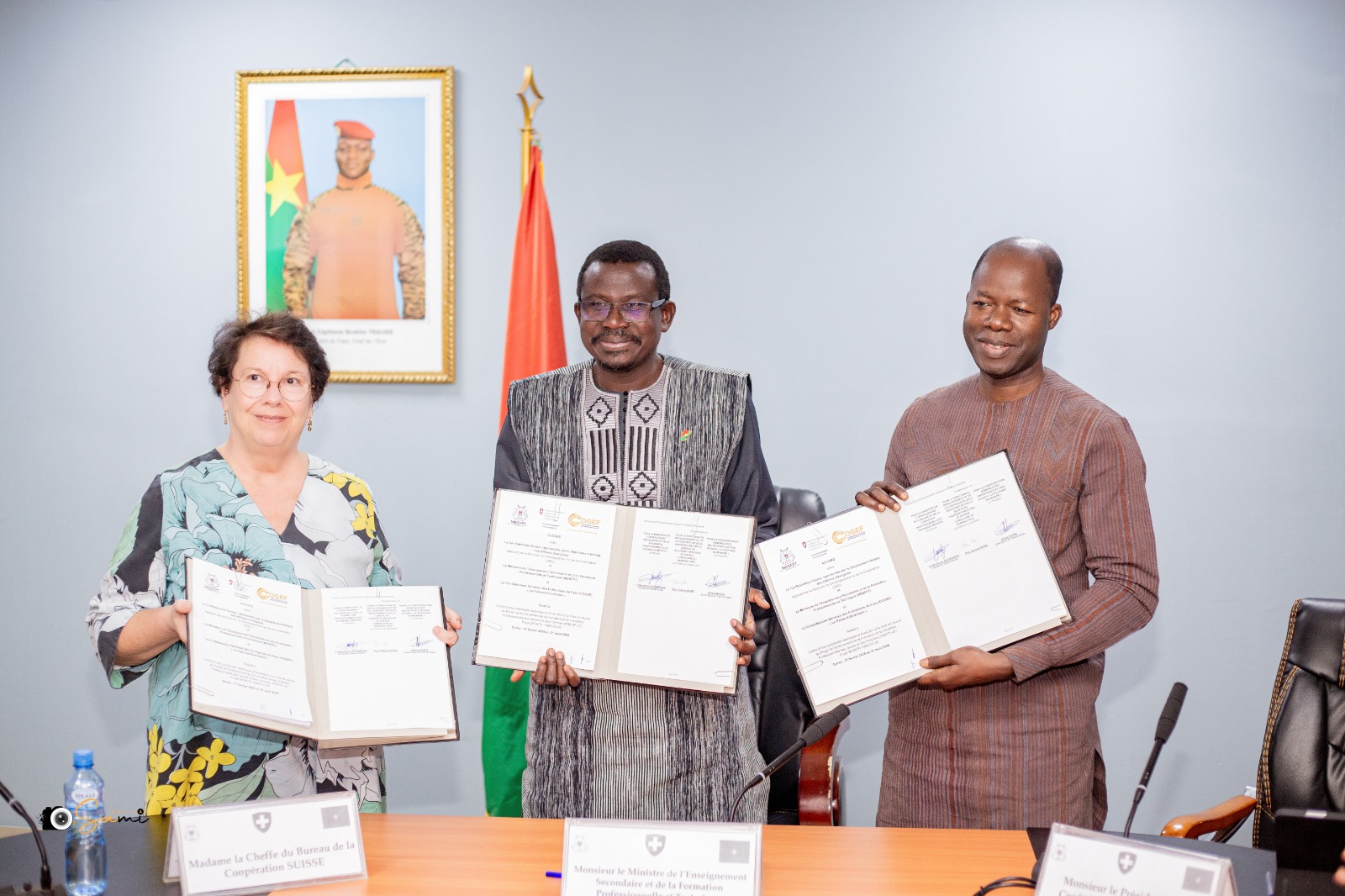
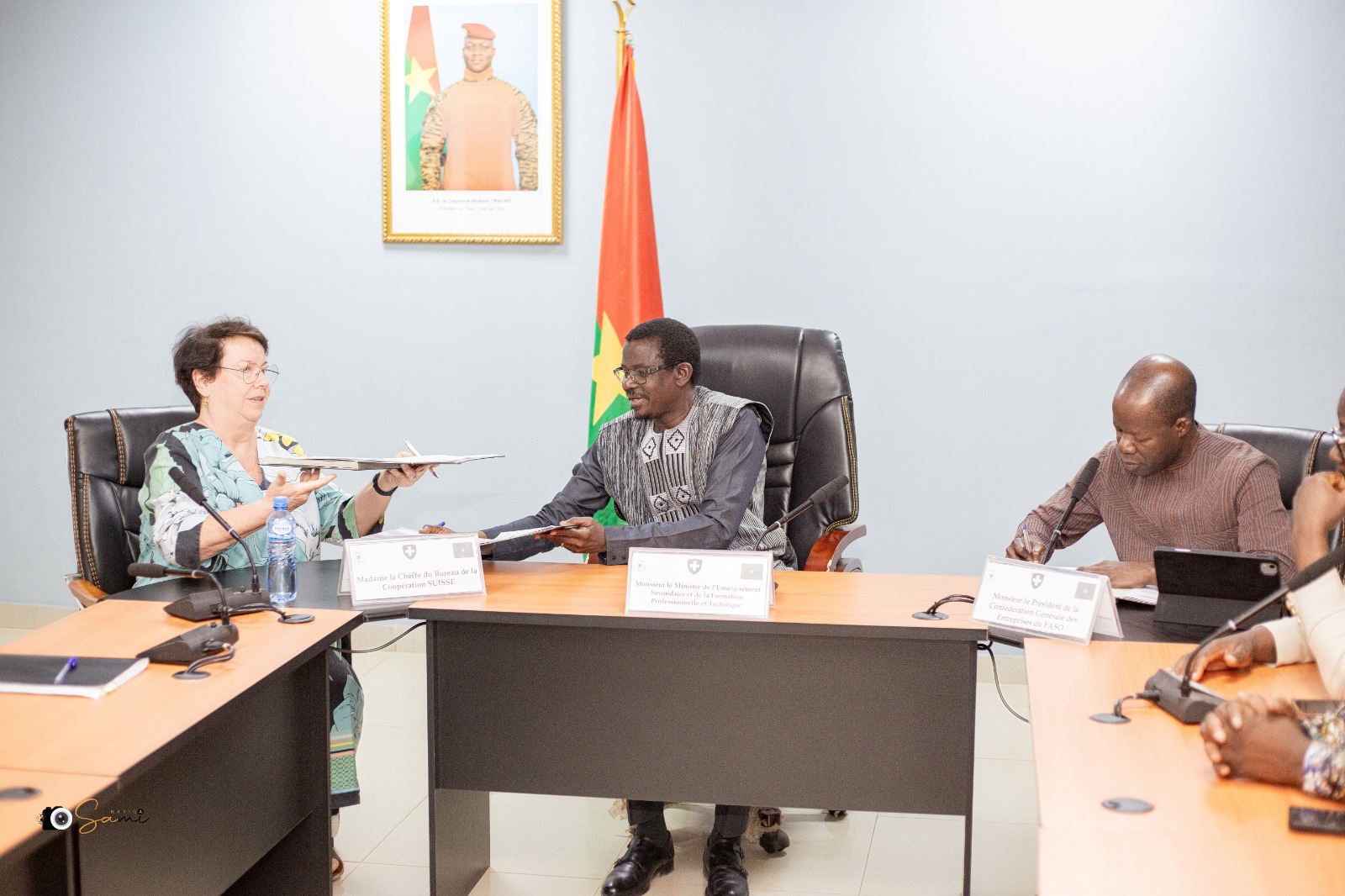
Burkina Faso has been facing terrorist attacks since 2015, leading to population displacement and undermining the delivery of basic social services, particularly in the education sector. The issue of youth and women employability, as well as their economic empowerment, is now a major challenge for Burkina Faso. In this context, marked by significant economic and social challenges, the authorities have placed the restoration of security and the rebuilding of the social fabric at the heart of the national development agenda. The Confédération Générale des Entreprises du Faso (COGEF), “Le Patronat Burkinabè,” convinced that vocational training is a strategic lever for improving business competitiveness, supporting economic growth, and offering sustainable employment prospects to young people, sought and obtained funding from Swiss Cooperation, with the support of the Burkinabe Government, for the implementation of the Project for Strengthening the Vocational Training and Professional Integration of Young People and Women (PREFIP-JF).
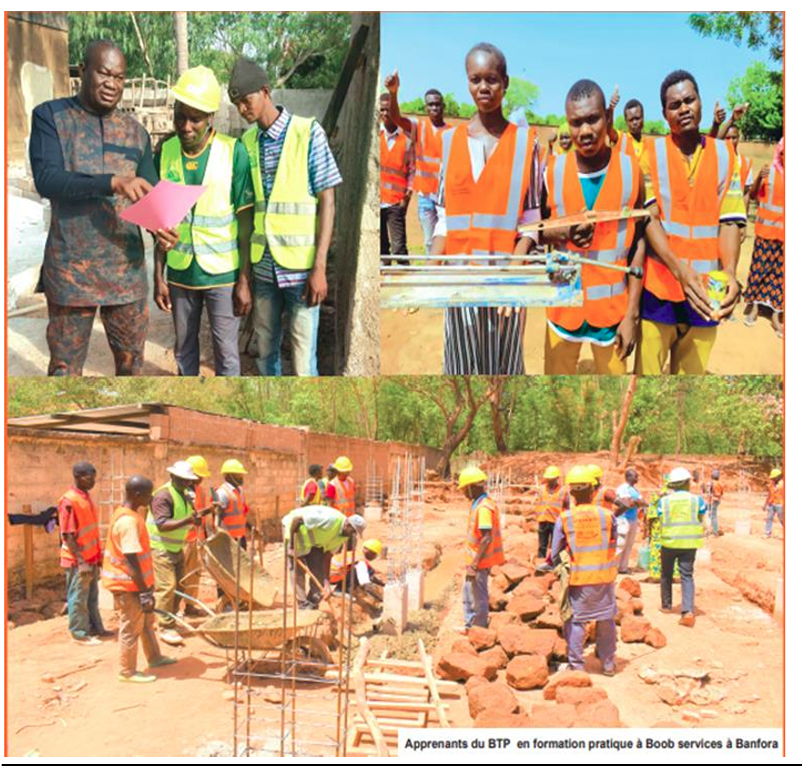
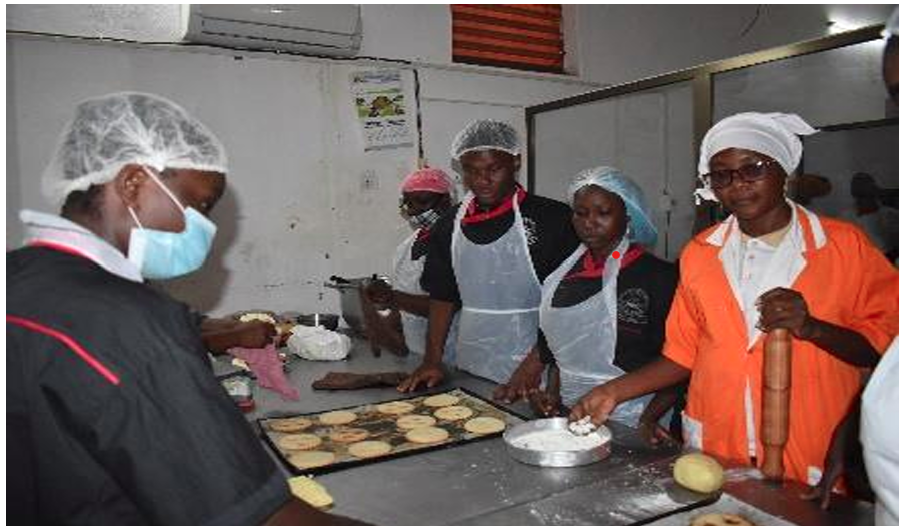
PREFIP-JF is part of the Public-Private Partnership framework and targets young men, young women, and professionals in apprenticeship, whether learning a trade or not, in production companies or those wishing to enter a vocational training scheme in order to obtain the qualifications needed to practice a trade. Efforts will be directed toward strengthening professional sectors, improving apprenticeship frameworks, and providing training for young people and women, and will facilitate their access to productive jobs in promising sectors such as agrosylvopastoral, agro-food processing, civil engineering, electrical engineering, construction and public works, and market services.
Project Objectives
The overall objective is to contribute to improving the employability of young people and women through quality training. More specifically, it is to:
- Strengthen the guidance and information system for vocational training.
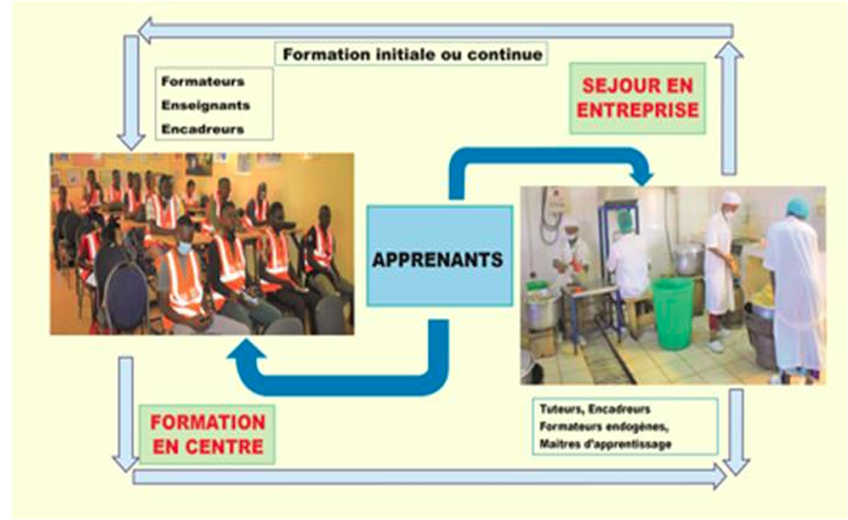
- Develop dual-type training programs for the benefit of young people and women to improve professional integration.
- Strengthen the contribution of private companies to mobilizing resources to sustainably finance the skills development needs of their employees, as well as those of young people and women.
Project Components
The project will be carried out through four (04) components:
Strengthening the vocational training guidance and information system.
Improving learning.
Setting up a private mechanism for financing vocational training.
Project management and oversight.
Expected Results
A digital information and guidance platform on vocational training is being set up for the benefit of young people and women.
400 companies from professional sectors or trades, whether organized or not, express their skills needs through the system for guidance and information on vocational training.
The learning frameworks of 53 training companies (TCs) and public or private vocational training centers (VTCs) are being strengthened with modern equipment to operationalize workplace-based training.
30 educational supports (curricula and others), in physical or digital format, meeting AMT or dual training requirements, are available.
The capacities of the 450 training managers, tutors of learners in the EF, and trainers of the CFP are strengthened to implement quality training.
4,000 young people and women, including at least 30% girls/women among the project beneficiaries, are trained.
950 trained young people and women engaged in self-employment receive installation kits and communication and advertising activities.
A private-sector-led vocational training financing mechanism is being designed.
The regulatory and administrative texts authorizing the creation of the private financing mechanism have been adopted.
Duration, Budget, Location, Beneficiaries
3 years (2026–2029)
2.6 billion FCFA
Area of operation: the Kadiogo, Nazinon, and Nakambé regions.
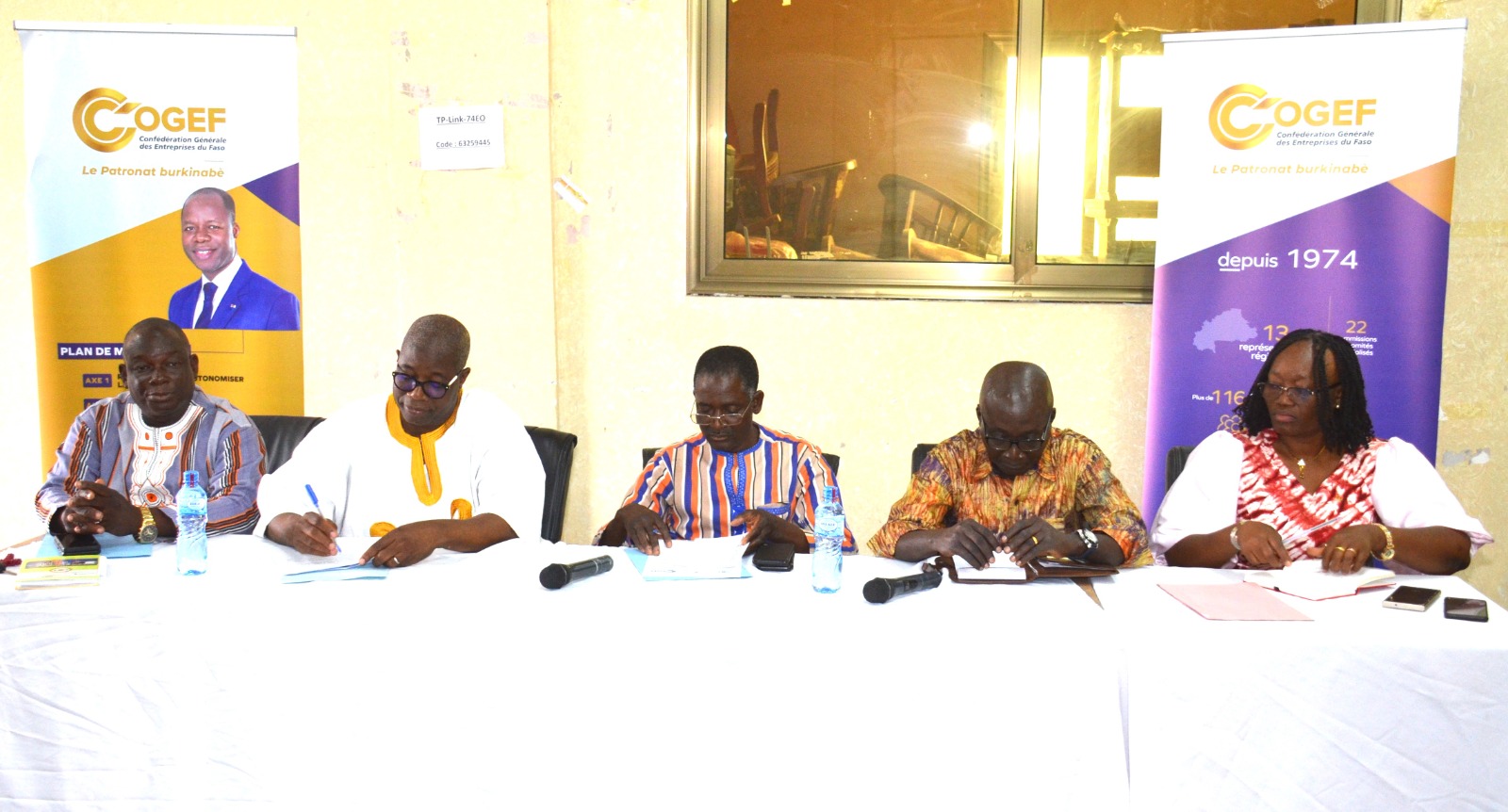
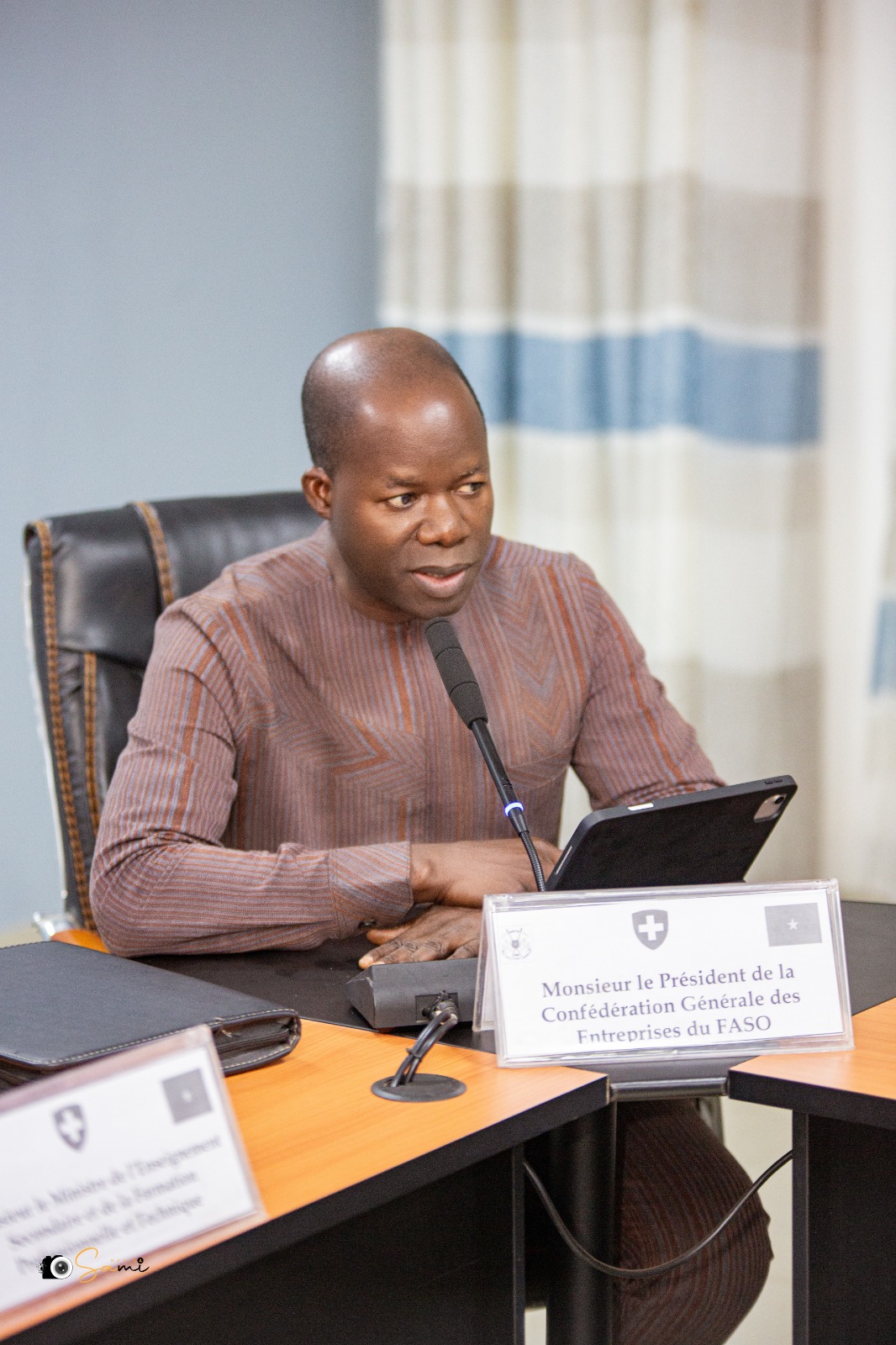
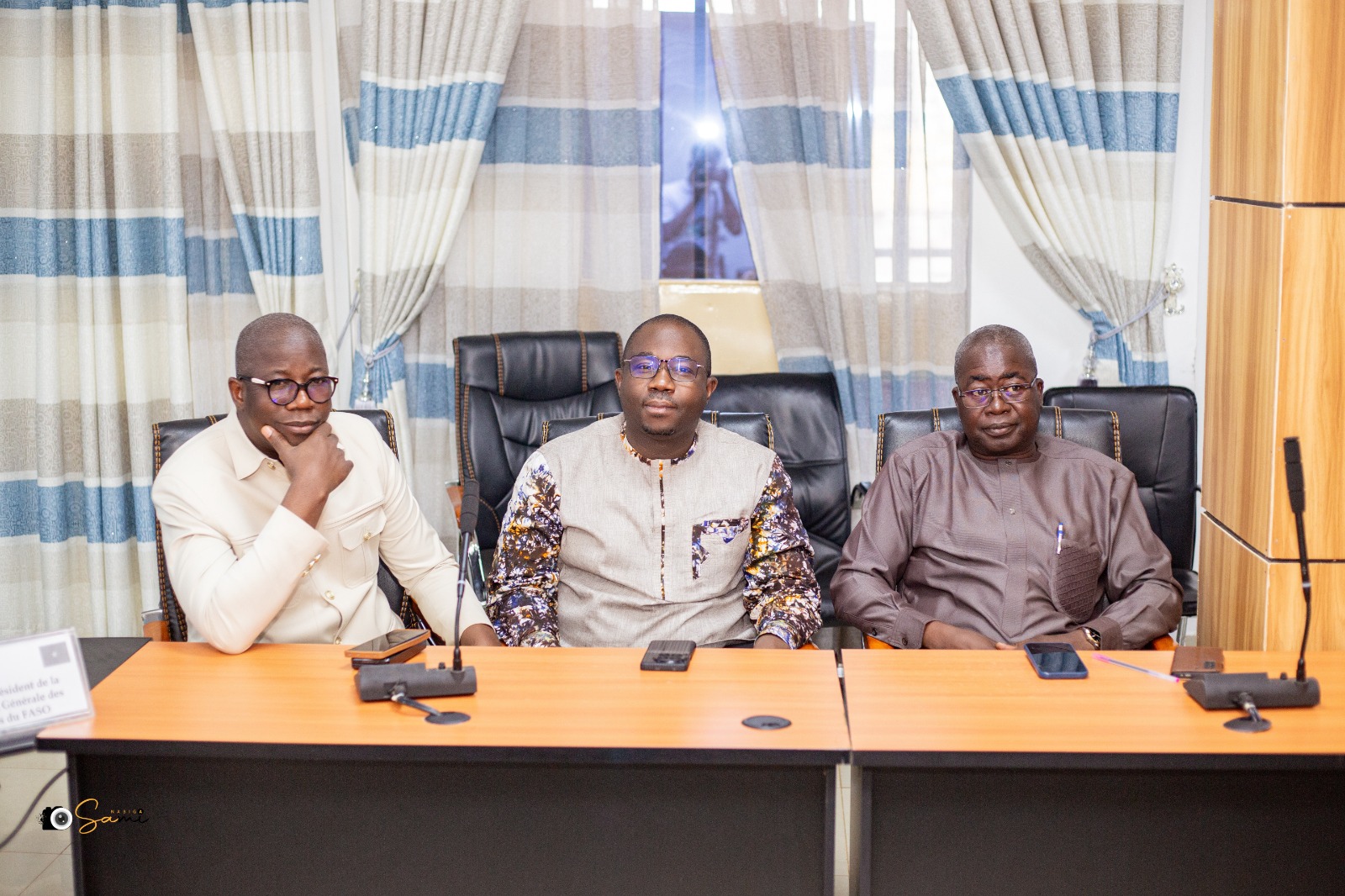
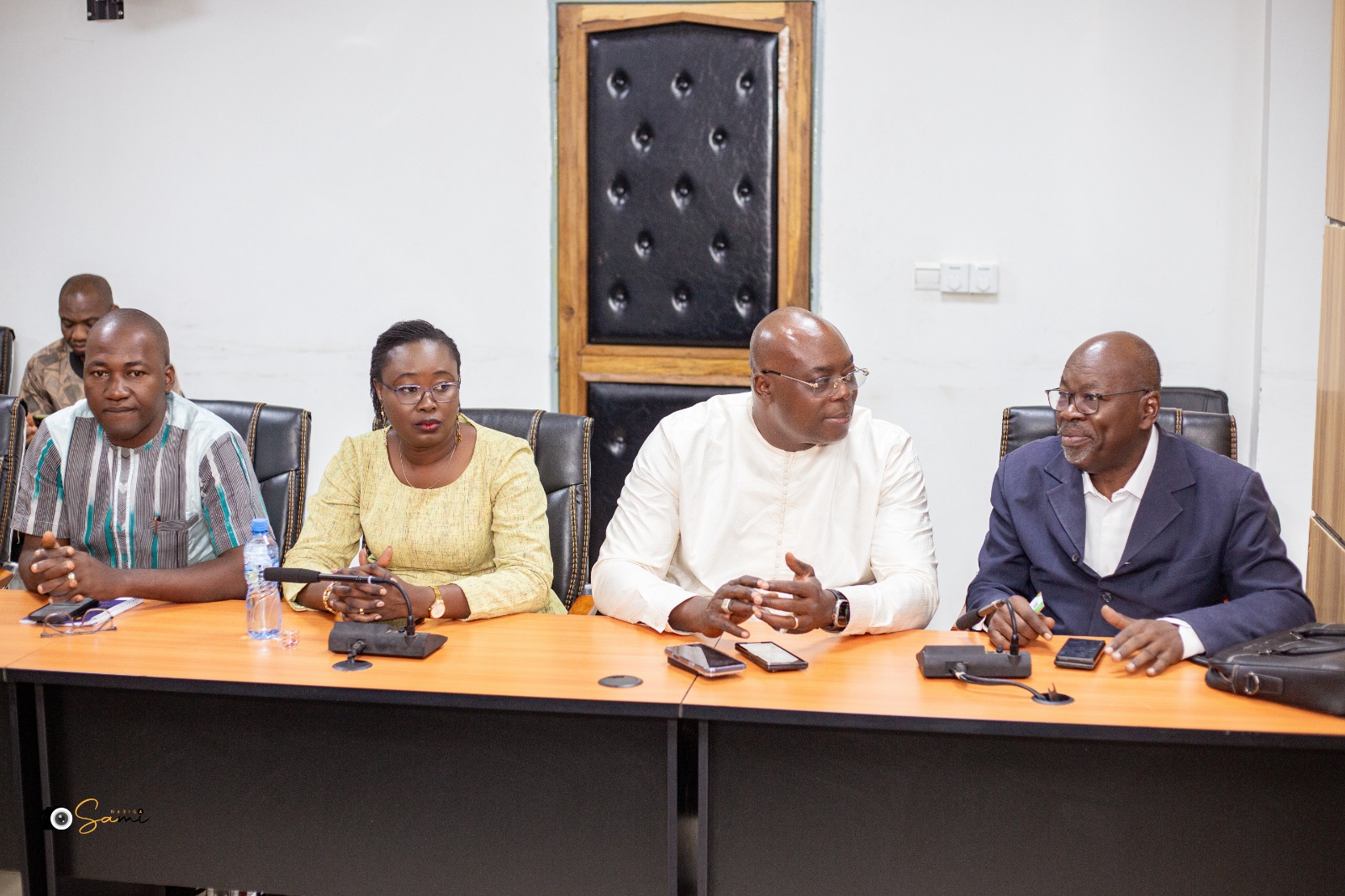
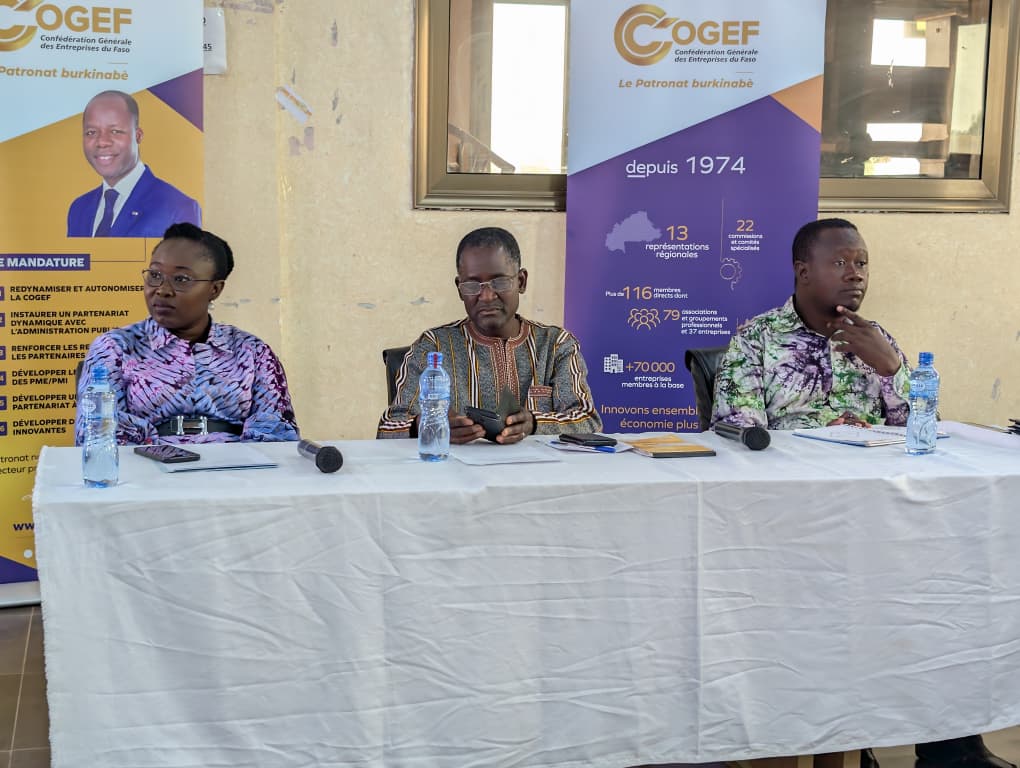
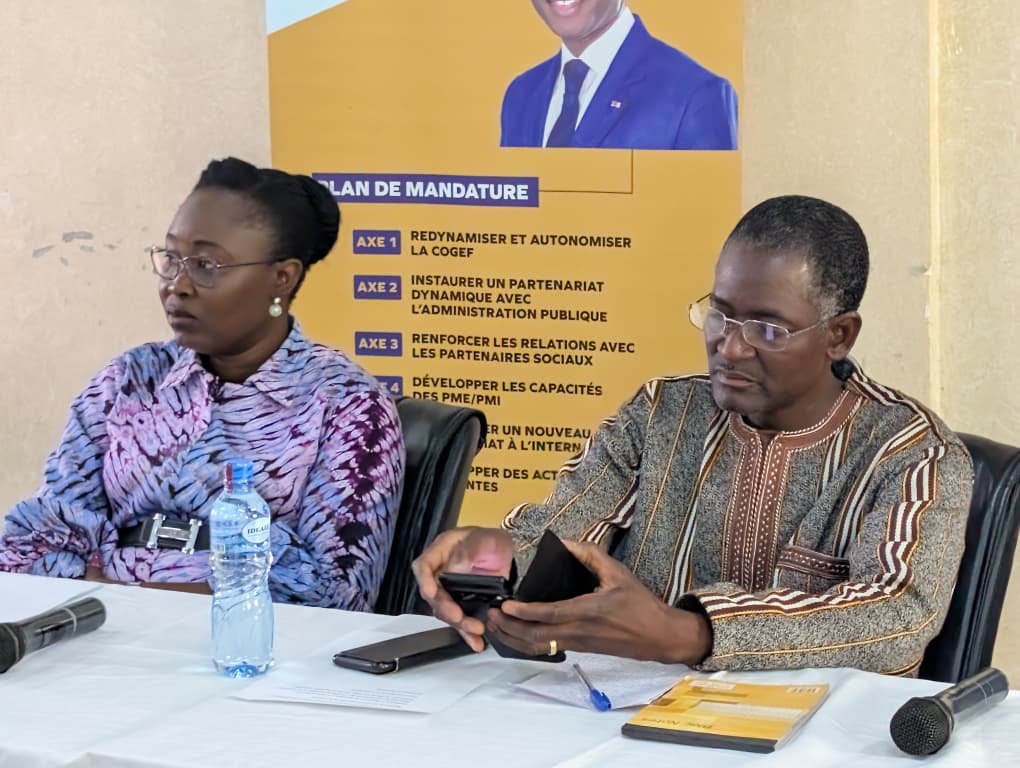
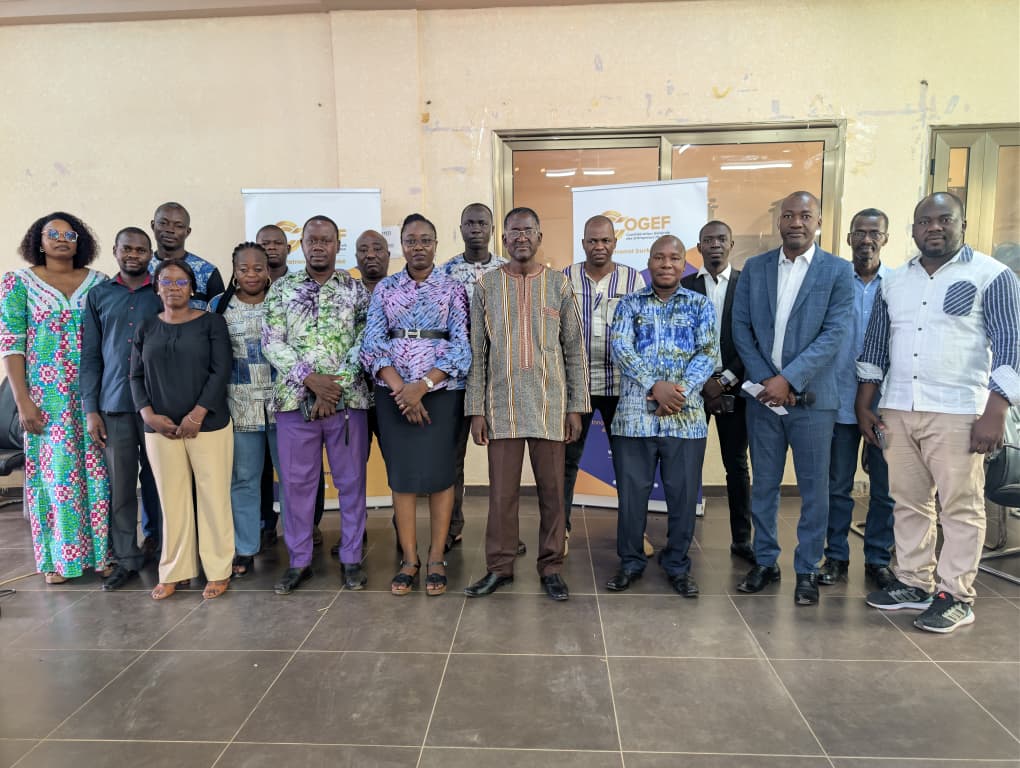
PAFPA Dual - Programme d’Appui à la Formation Professionnelle et à l’Apprentissage : approche duale adaptée au Burkina Faso
Develop technical and professional skills for the Burkinabè economy
Project Presentation
The acquisition of professional and technical skills for employment is becoming a prerequisite for the effective participation of men and women, particularly young people and adolescents, in economic development and in securing sustainable livelihoods. In such a context, Burkina Faso has committed itself to making human resources the foundation of its harmonious, sustainable, and self-sustaining social development. Likewise, young people have clearly expressed their desire for: (i) the establishment of an effective national training system to contribute significantly to reducing unemployment and increasing employment opportunities; (ii) a genuine reduction in poverty; and also their desire to live together and build their lives in their country, Burkina Faso.
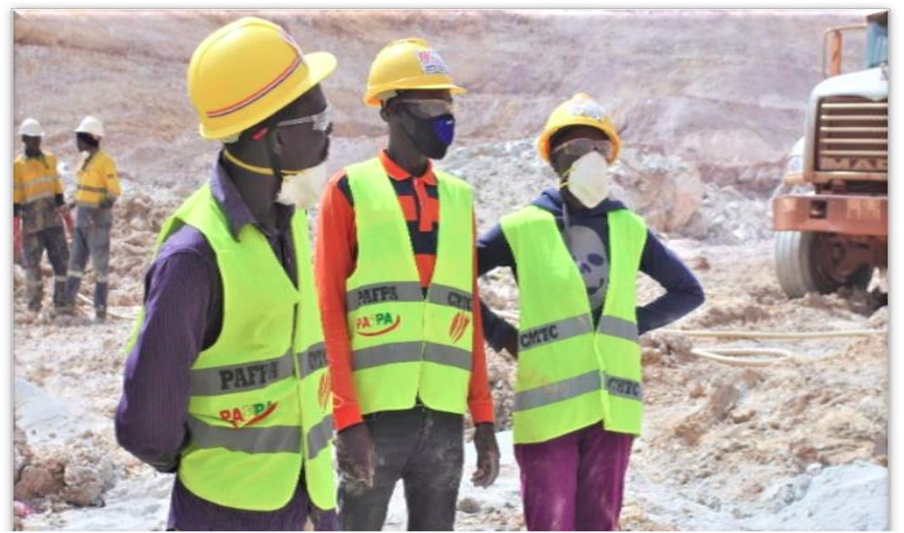
In response to the Government’s commitment and taking into account the legitimate aspirations of young people, the National Employers’ Council of Burkina Faso (CNPB), with the technical and financial support of the Ministry of Youth, Vocational Training and Professional Integration (MJFIP) and Swiss Cooperation, initiated the Support Program for Vocational Training and Dual Apprenticeship Adapted to Burkina Faso (PAFPA Dual). PAFPA Dual is a public-private partnership between the Government and Burkina Faso’s employers’ organization to address vocational training issues in general, and in particular those related to providing populations with access to qualifying training, enabling them to acquire the specific and general skills needed to carry out their economic activities, achieve socio-professional integration, and express their citizenship.
Project Objectives
The program sets the following general objective: “Young men and women have access to qualifying training that provides them with the knowledge and skills needed to practice their professions and generate sustainable income.” More specifically, it aims to:
- Men and women beneficiaries, particularly adolescents and young people, have access to high-quality practical and theoretical training that meets the needs of the economy and facilitates their socioeconomic integration.
- Training programs that combine theory and practice, managed in partnership with the private sector (businesses and family-owned farms in agriculture, crafts, and industry), exist and make it possible to meet young people's training needs through a diversified training offer adapted to both men and women.
Expected Results
Eight thousand (8,000) young people, including 50% girls, trained in the agricultural sector and in promising sectors (solar energy, construction and public works, agri-food processing, etc.).
One thousand (1,000) endogenous trainers and master apprentices, 50% of whom are women, trained or retrained;
Five (05) training institutions (public and private training centers, training companies) have been developed for dual or alternance-type training and apprenticeships.
10 training frameworks developed and distributed.
A functional private sector consultation framework
Support mechanisms for training companies and the professional integration of learners are put in place
Duration, Budget, Location, Beneficiaries
Main Results Obtained
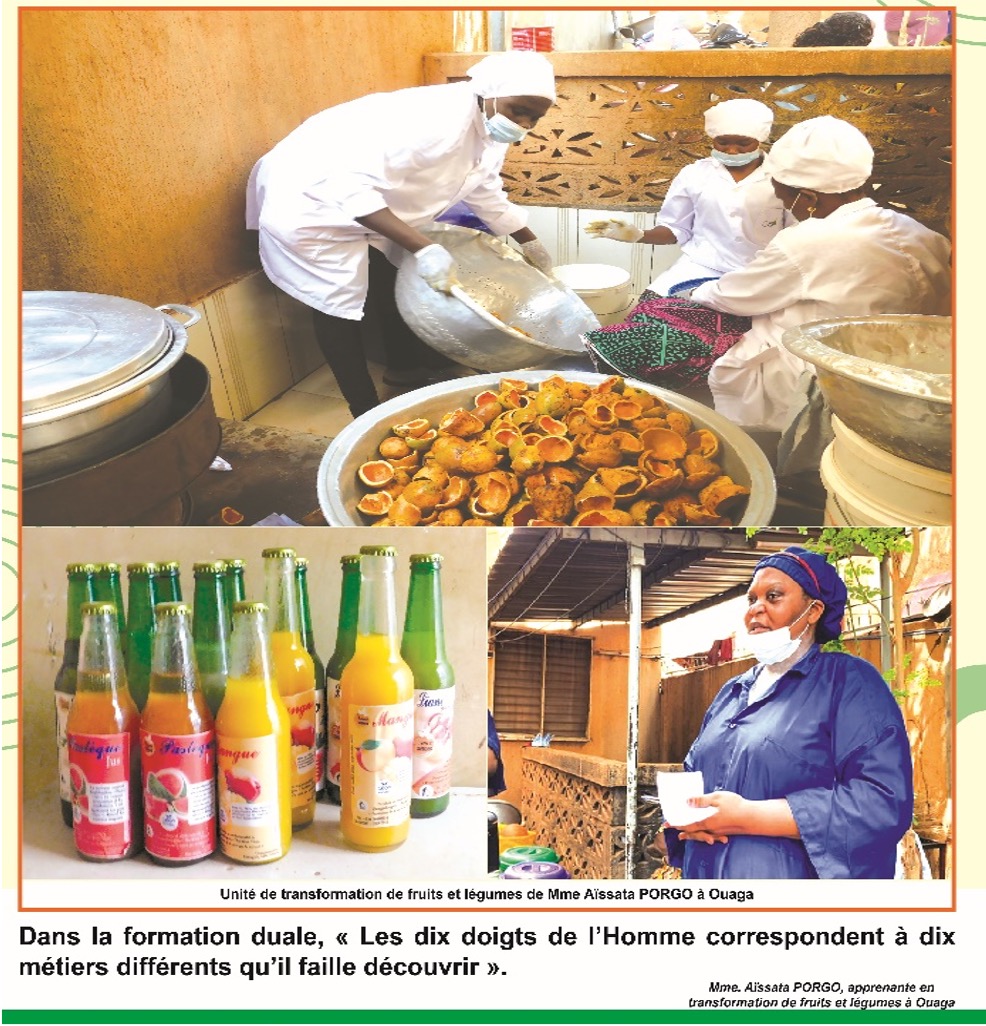
La formation de 10 000 jeunes et femmes dans plus de 40 métiers émergents et dans l’agro-sylvo-pastoralisme.
Training 1,632 trainers and apprenticeship masters in the targeted trades.
The development of 12 training curricula/standards and guides in the targeted occupations.
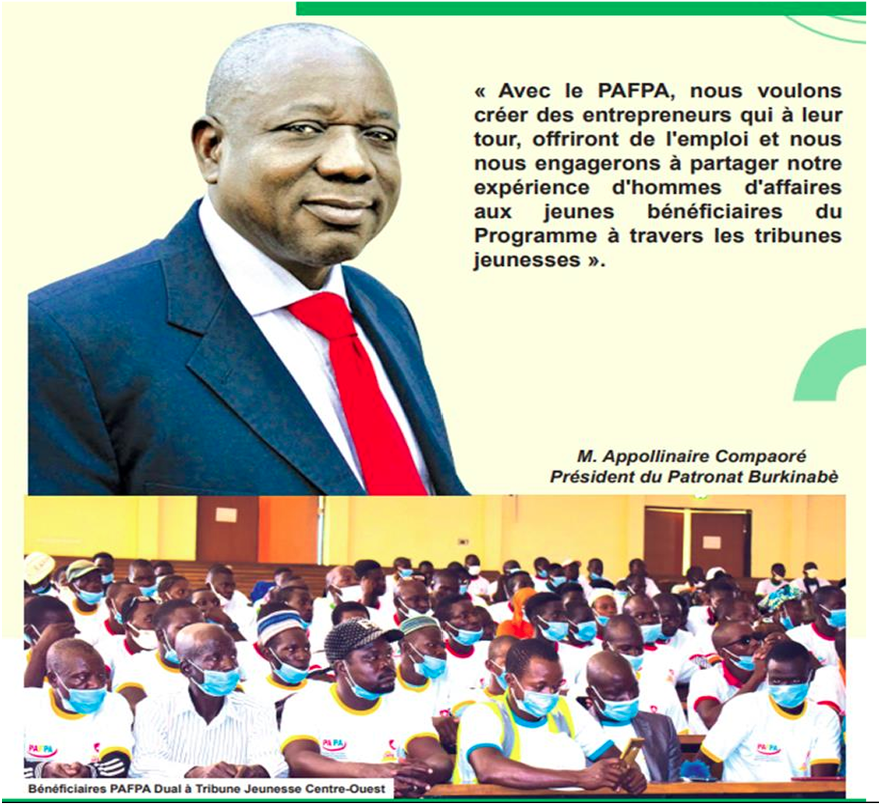
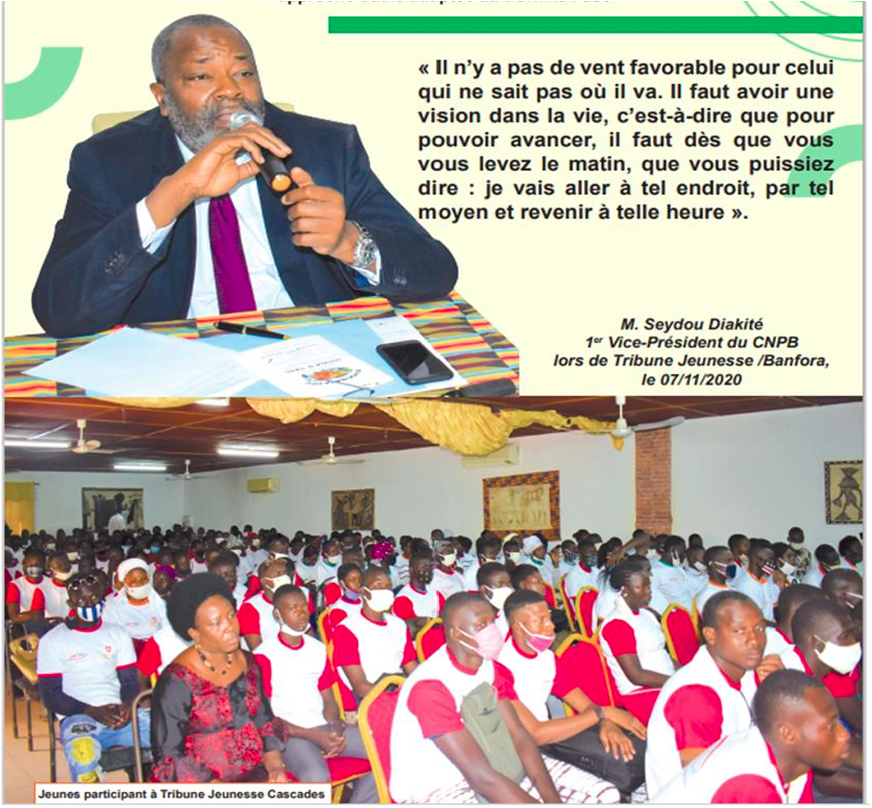
The organization of eight (8) youth forums for the benefit of 4,000 young people and women, which made it possible to bring together business leaders and success stories to share their entrepreneurial journeys.
Professional integration of 5,700 trained youth and women (recruited or supported toward self-employment), representing a 57% professional insertion rate.
Capacity-building for productive activities through the construction of solar-powered boreholes equipped with submersible pumps at five (05) training enterprises and a training center.
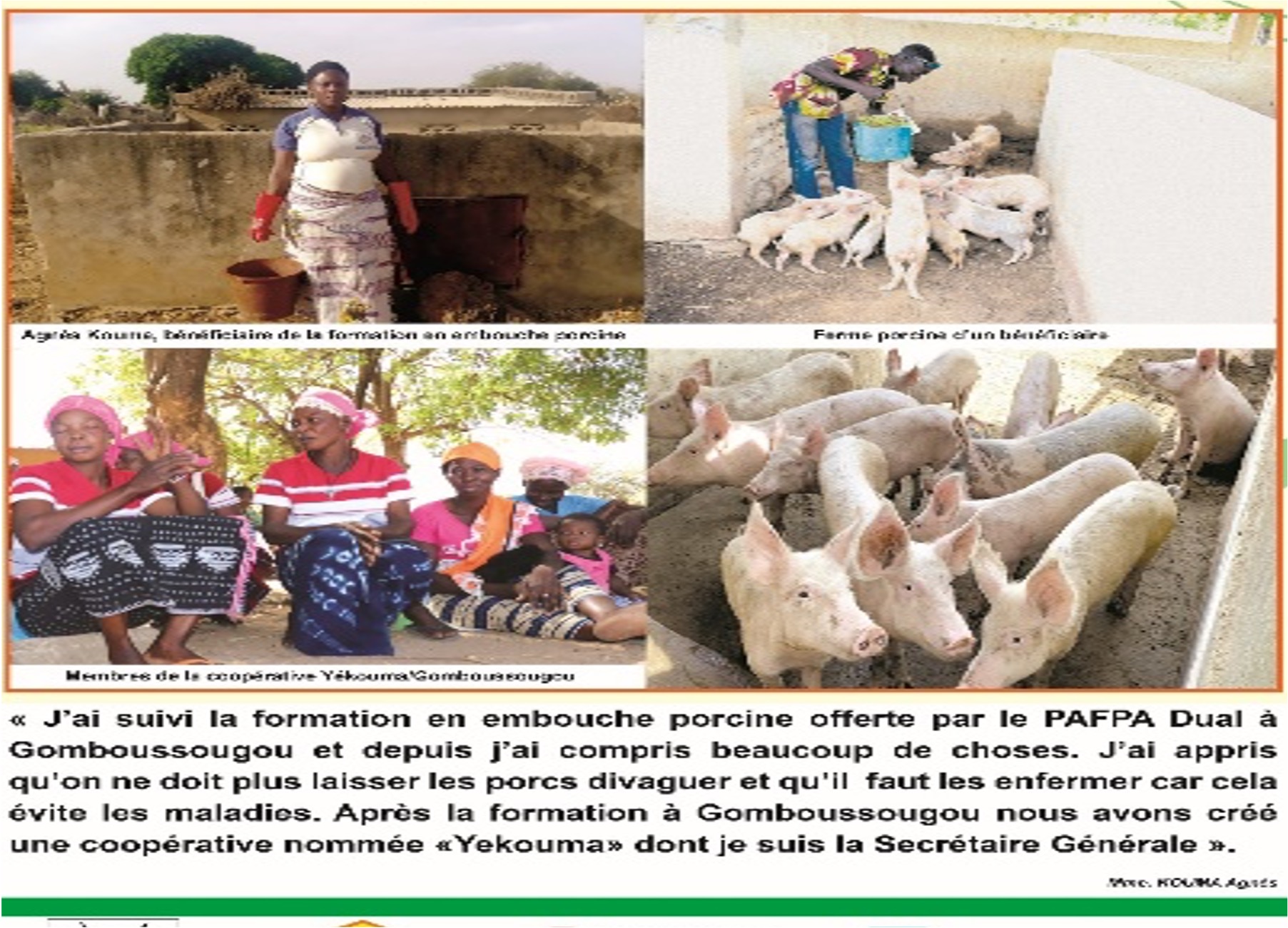
Fencing of three (03) livestock farms to secure the sites and the animals.
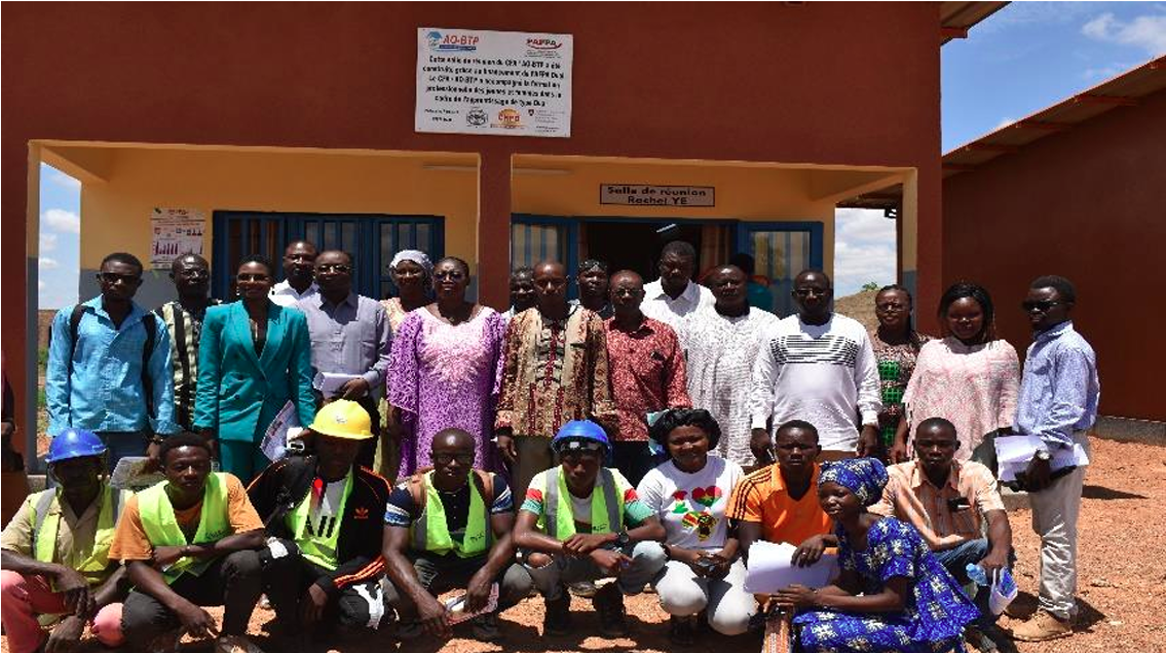
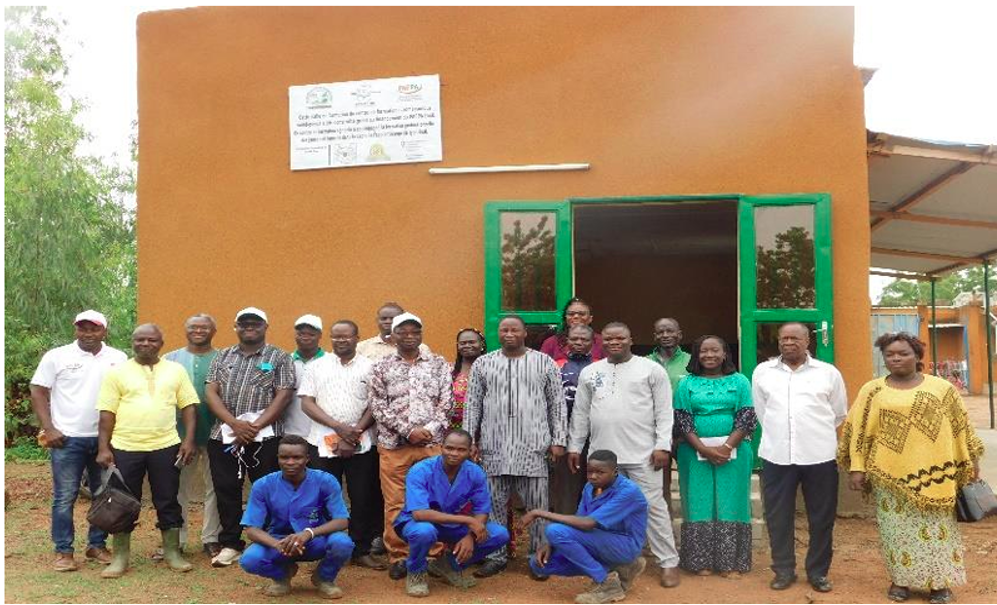
Rehabilitation or construction of classrooms and equipment for the benefit of eleven (11) training centers, to improve their capacity to accommodate students and the learning environment for learners.
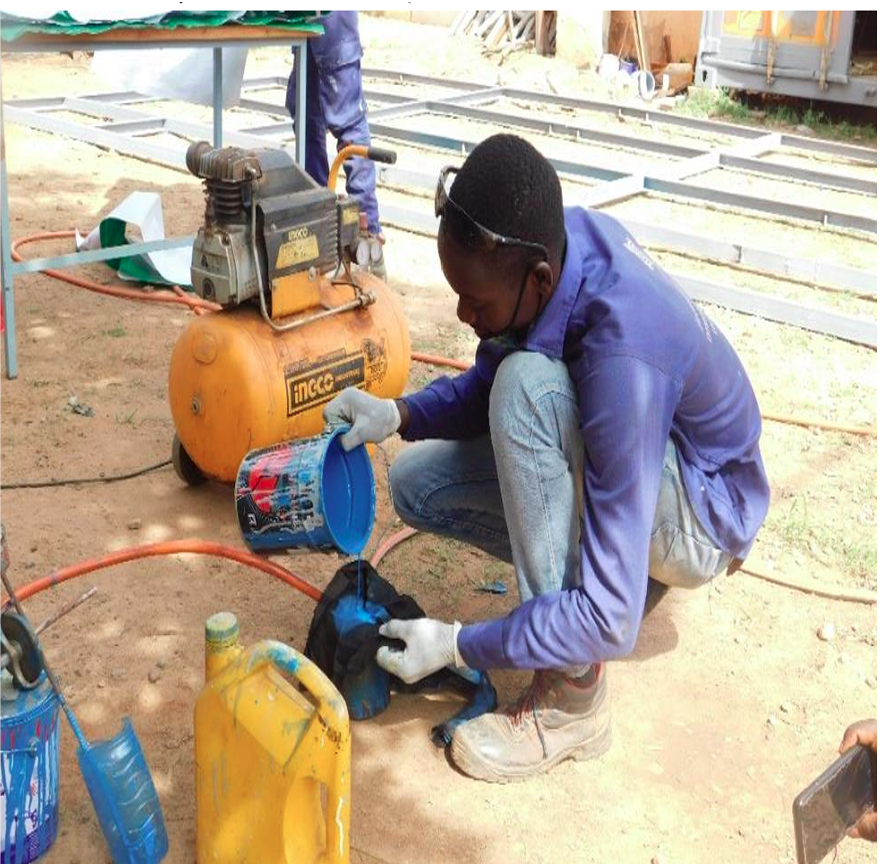
The strengthening of the productive capacities of certain production units through measurement equipment, refrigeration, drying equipment, rolling stock, and even raw materials.
Discover the membership requirements
Together, let us build the economic future of Burkina Faso. Your company can be part of this historic transformation.